 Photo Courtesy: India Today Group
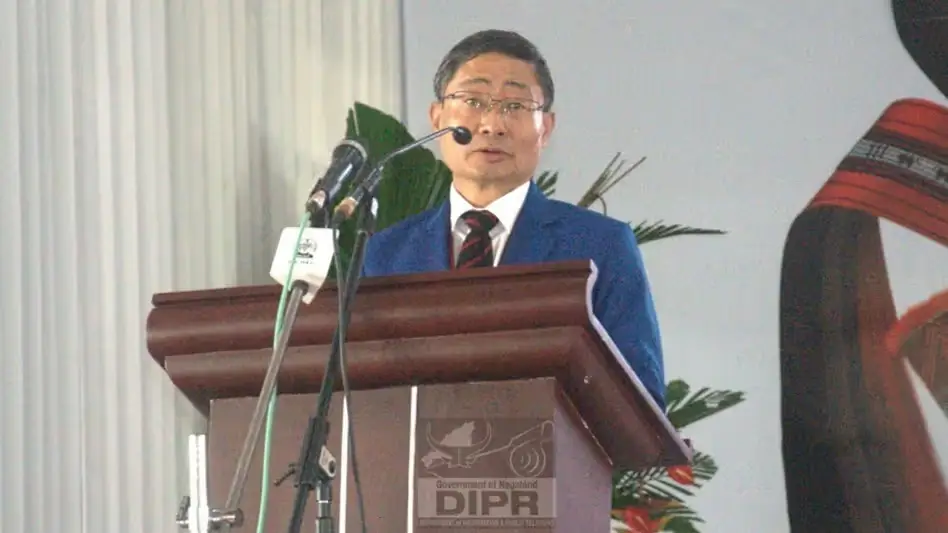
Kohima: Nagaland marked the International Day of Older Persons on October 1 under the theme, The Age of Longevity: Rethinking Systems for Longer Lives. Officials across the state urged for stronger support systems, dignity, and inclusion for senior citizens. Chief Secretary Sentiyanger Imchen highlighted that India had 149 million people aged 60 and older in 2022, a figure expected to hit 347 million by 2050.
Imchen warned that changing lifestyles and migration are straining traditional family support structures. He noted that more than 63,300 seniors currently receive assistance through the Indira Gandhi National Old Age Pension Scheme and state initiatives. The government now supports 12 senior citizen homes via the Atal Vayo Abhyuday Yojana. Imchen urged citizens to help identify ineligible pension recipients to ensure funds reach those in need. He also touted the Senior Citizens Helpline 14567 and new geriatric caregiver training partnerships with the Christian Institute of Health Sciences and Research in Dimapur.
In Zunheboto, District Welfare Officer R Imtinukshi emphasized that respect for elders remains vital to the Súmi Naga social fabric. He reminded youth, “The way we treat our elders today is the blueprint for how we will be treated tomorrow.” Retainer lawyer Easter H Yeptho detailed legal protections, including the Maintenance and Welfare of Parents and Senior Citizens Act, 2007. She also pointed to transportation concessions and pension schemes, while advising officials to pursue district-level day-care centers. Zunheboto Deputy Commissioner Dharam Raj noted that many seniors remain productive long after retirement, suggesting community spaces for continued social engagement.
Wokha officials also held a commemorative event at Tiyi Hall. Deputy Commissioner K Mhathung Tsanglao stressed that aging is a universal experience requiring constant care. Bailey Baptist College Acting Principal Penthungo Lotha described older persons as a critical link between generations. The event honored H Nyanbemo Ngullie and Nchumbeni Kithan with District Awards for Distinguished Senior Citizens. Meanwhile, in Zunheboto, state-level awards went to Kitoli Naje and H Kashito Yepthomi, while N Atoli Sema and N Toihe Sema received district honors.
Updated at 2nd October 2026 at 5:46am
During the state-level program in Kohima, the Social Welfare Department handed out the State Senior Citizen Award 2026. Educationist and women's rights advocate Professor Alongla P. Aier and medical professional Dr. LM Murry received the honors for their long-term contributions to public service and community welfare.
The event also showcased local craftsmanship, featuring woodcraft, traditional jewelry, and Naga raincoats produced by elderly artisans. Attendees benefited from an on-site health camp, marking an expansion of the department's direct interventions for the aging population.
Social Welfare Secretary Limawabang Jamir signaled a shift in strategy, calling for the creation of age-friendly workplaces and lifelong learning opportunities to address the needs of an aging demographic. He noted that the global observance, which started in 1991, marks a move away from viewing aging as a management challenge to seeing it as a result of progress in public health and nutrition.
Officials confirmed that eligible senior citizens from BPL families can access assistive and mobility devices through the Rashtriya Vayoshri Yojana.
Updated at 2nd October 2026 at 10:00am
During the state level program at the NBCC Convention Centre, officials handed out the State Senior Citizen Award 2026. Educationist and women rights advocate Professor Alongla P. Aier and medical professional Dr. LM Murry took home the honors for their long service to community welfare and the state.
The event also put the spotlight on local makers. Elders displayed handmade woodcraft, traditional jewelry, and Naga raincoats at an exhibition stall. Attendees also visited an on site health camp, a push by the department to bring medical care directly to the aging population.
Social Welfare Secretary Limawabang Jamir shifted the focus toward long term systemic changes. He demanded the creation of age friendly workplaces and lifelong learning opportunities to accommodate an aging demographic. Jamir noted that the global observance, which started in 1991, marks a move away from viewing aging as a management challenge to seeing it as a result of progress in public health and nutrition.




Comments