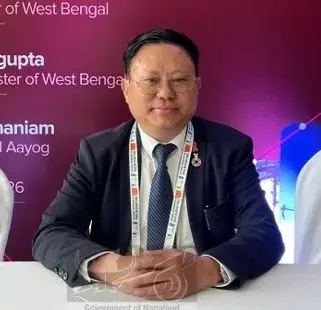
 Photo Courtesy: nagalandpost
Kohima: Y. Kikheto Sema challenged federal leaders to rethink how they measure progress in the North East. The Nagaland Principal Secretary spoke at a national workshop in Kolkata on September 29, 2026. NITI Aayog and the UNDP hosted the event for 36 states and territories. Kikheto demanded policy flexibility.
Banking access remains a massive hurdle. Fourteen of Nagaland’s 76 blocks have no bank branches. Remote villagers travel up to 40 kilometers just to reach an ATM or teller. Without these accounts, citizens cannot access essential welfare benefits. He urged New Delhi to back innovative ways to bring banking to these underserved zones.
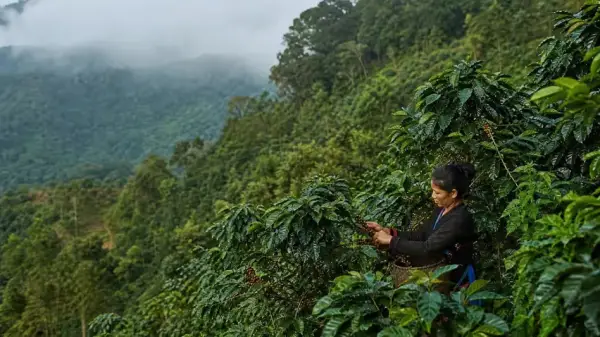
Kikheto also pushed back against rigid national indicators. He argued that the SDG India Index fails to account for regional realities like jhum cultivation. Bureaucrats often view jhum as a practice to be wiped out. Kikheto insisted that local officials must rethink this. "Jhum was deeply rooted in the culture, traditions and livelihoods of NER communities, closely tied to agricultural cycles and festivals."
He warned against forcing a one-size-fits-all model on the nation. Nutritional data like BMI scores for women might not fit the North East's distinct demographic profile. He called for agricultural schools to include indigenous farming in their formal curricula. Nagaland’s delegation, including Finance Commissioner Kesonyu Yhome and Assistant Planning Officer Loktimen Longchari, stood firm. They want metrics that reflect actual farm incomes, sustainability, and high-value crops instead of just raw yield numbers.
Updated at 1st October 2026 at 5:46am
Kikheto explicitly linked these regional banking gaps to SDG 1 (No Poverty) and SDG 8 (Decent Work and Economic Growth), arguing they cripple the delivery of welfare schemes. He also flagged that despite Nagaland maintaining eight different agriculture departments, the state’s agricultural curricula still ignore indigenous systems like jhum. He wants these schools to start teaching the reality of local farming to improve research and move past generic national models.
Regarding food security metrics under SDG 2, Kikheto noted that standard measures for rice and produce yield ignore the unique cropping patterns found in the North East. He argued that officials must judge success based on sustainability and farm income rather than just counting the total weight of the harvest.



Comments