 Photo Courtesy: nenow
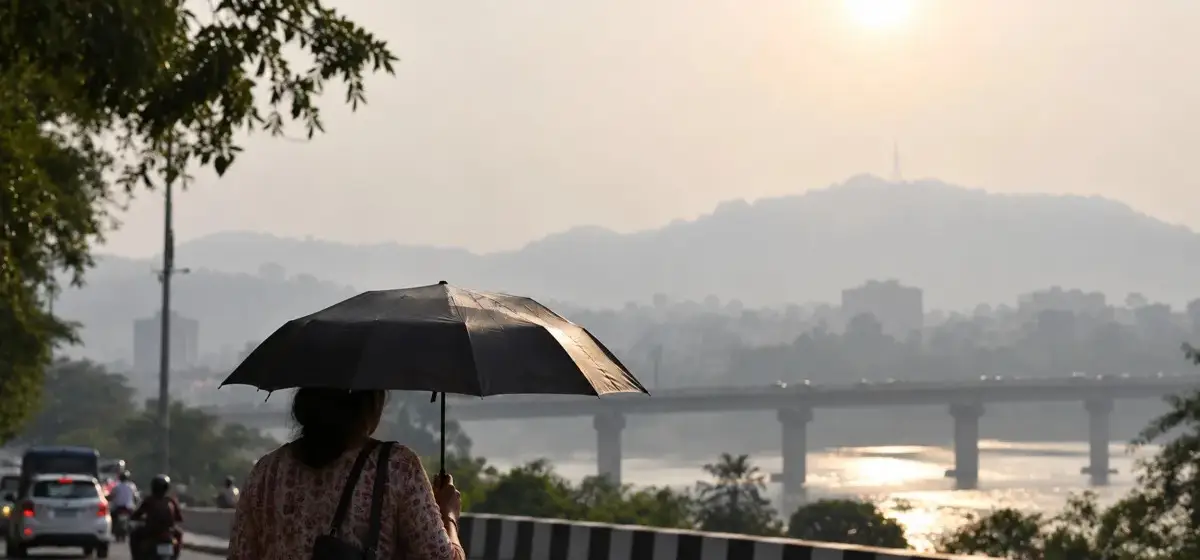
Guwahati: Guwahati is sweltering. A new India Meteorological Department study shows the city's monsoon season has turned significantly hotter and more humid between 2022 and 2024. Researchers compared this recent data against the 1991 to 2020 climatological period. They found that perceived temperatures spiked to a staggering 55.5C in September.
Sudip Kumar Kundu and his team at the Regional Meteorological Centre in Guwahati and New Delhi authored the report published in the October 2026 issue of MAUSAM. The results are grim. Extreme thermal discomfort now hits harder and lasts longer. While temperatures climb, rainfall in July, August, and September is falling. This creates a lethal environment for both people and crops.
September leads the pack for heat. It saw apparent temperatures hit 55.5C, followed by 53.6C in July and 53.3C in August. For context, the peak heat index between 1991 and 2020 only reached 49.5C. The study states that September is now about 6C hotter in perceived temperature. Furthermore, the uncomfortable heat window now starts in April rather than May.
The city has officially entered the Extreme Danger category. An IMD bulletin from September 20, 2024, captured a maximum temperature of 38C with 67 percent relative humidity. That day, the apparent temperature soared past 60C. The report warns that "for people working outdoors, the implications are immediate: heat exhaustion, dehydration and reduced work efficiency."
Agricultural impact is a major concern. Lower rainfall combined with higher heat dries out soil and triggers moisture loss in crops. Experts report that heat disrupts flowering and pollination while high humidity encourages fungal disease and pests. The study suggests shifting irrigation to the early morning or late evening. Farmers should also use mulch, plant shade trees, and step up pest surveillance to survive the changing weather.







Comments