 Photo Courtesy: nenow
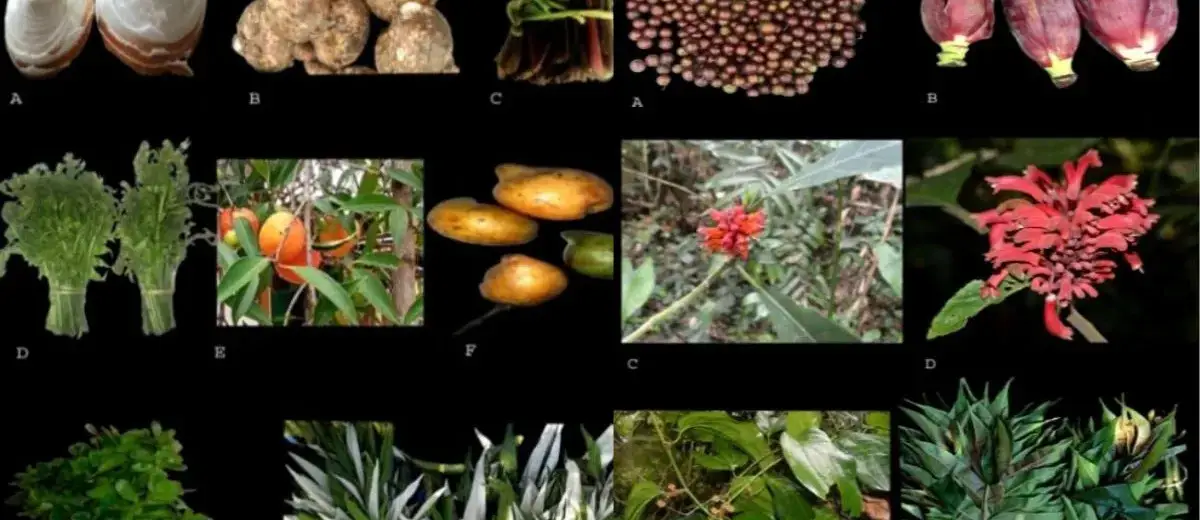
Guwahati: A new study identifies 96 wild plant species used for food and traditional medicine in Assam's Tinsukia district. Researchers tracked these plants between 2021 and 2023. The results appeared in the 2025 edition of Plant Science Today. Findings show 56 per cent of these plants serve as vegetables. Another 30 per cent provide edible fruits. The remaining seven per cent act as spices, condiments, or masticatory items.
Scientists scrutinized five specific species: Sarcochlamys pulcherrima, Zanthoxylum oxyphyllum, Smilax perfoliata, Portulaca oleracea, and Phlogacanthas thyrsiformis. They measured levels of calcium, potassium, magnesium, phosphorus, iron, zinc, copper, manganese, and nickel. These plants pack a nutritional punch. The study states, “The researchers suggested that these species could contribute to mineral nutrition while also representing an important repository of traditional food knowledge.”
Tinsukia's forests, wetlands, and rivers sustain these resources. However, shifting land use and modern lifestyles threaten these habitats. Experts warn this heritage is at risk. Proper documentation now serves to protect this ethnobotanical record. Continued research remains a top priority to stop the loss of these essential wild foods and the generational wisdom behind them.






Comments