
 Photo Courtesy: nenews
Imphal: The Pitt Rivers Museum in Oxford just opened an exhibition featuring 27 items seized from Naga freedom fighter Rani Gaidinliu. British colonial forces confiscated these objects in the 1930s. This is the first time the public can see this collection. It stays open until August 31, 2027.
The display, titled The Afterlives of Captured Objects: Reanimating the Gaidinliu Collection Digitally, results from four years of research between India and the universities of Edinburgh and Oxford. The project focuses on virtual repatriation. Researchers digitized the items to reconnect them with Naga communities across three Indian states. They held workshops and social media sessions to give these objects new meaning.
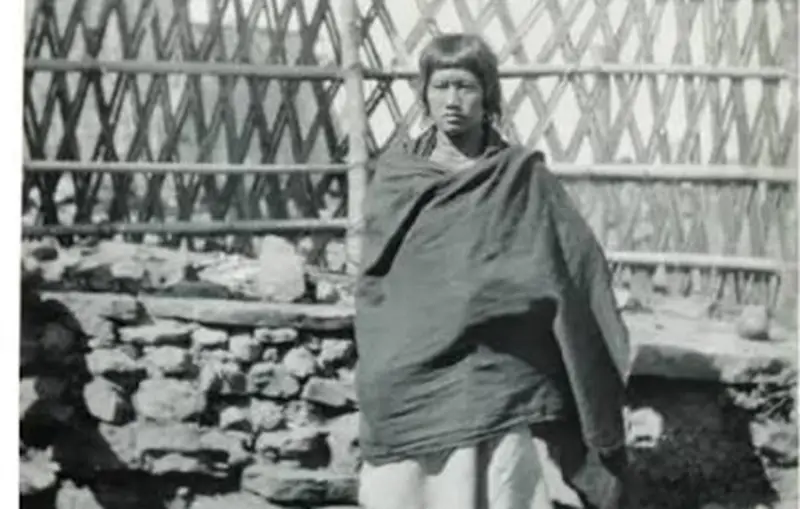
Gaidinliu was born in 1915 to a Rongmei Naga family in Manipur. She rose to power as a political and religious leader. Alongside her cousin Jadonang, she led an uprising against British rule. The movement challenged colonial control and aimed to revive indigenous Naga traditions. The British executed Jadonang in 1931. They captured Gaidinliu in 1932. She remained in prison until India gained independence in 1947.
British troops raided her hideouts and took her belongings. One key item on display is a basket she left behind while fleeing from soldiers near Hangrum in 1932. The collection also includes 12 notebooks. These journals contain her prophetic visions in a unique script. Her followers consider these texts sacred.
The museum staff stated the exhibition, "narrates Gaidinliu’s life through her personal belongings and explores how these objects have been given new meaning through the engagement of her family members, followers and Naga communities in contemporary times." The exhibit further includes clothing, body ornaments, metal jewelry, and items used for spiritual protection.
Gaidinliu later became a spiritual guide for the Heraka religion and campaigned for a separate Zeliangrong Naga homeland. The Indian government awarded her the Padma Bhushan in 1982. She died in 1993. The Pitt Rivers Museum holds nearly 6,500 Naga objects in total, which is the largest collection of its kind globally.




Comments